Twenty years of fighting for Montana's wildlife.
Footloose Montana pioneered the trap-free public lands movement in Montana. Here's who we are, why we do this work, and how far we've come.
A Humane Montana.
Wild animals are valued alive for their own worth, protected from cruelty, and conservation is guided by the best science and compassionate coexistence.
Public Education
Citizen Engagement
Legal Action
Footloose Montana is a grassroots organization that promotes trap-free public lands for people, pets, and wildlife. We are fighting to end the cruelty of recreational and commercial trapping, trophy hunting of large predators such as mountain lions, bears, and wolves, and other assaults on wildlife through science-based education and bold advocacy for compassionate co-existence.
We educate the public about the harmful impacts of trapping on animals, ecosystems, climate, and Montana's economy. We give trap-release workshops statewide and free to the public, give presentations, use social media, create media advertising such as TV spots, and engage with the legislature to reach the broadest segment of Montanans in pursuit of our goal to end trapping on public lands.
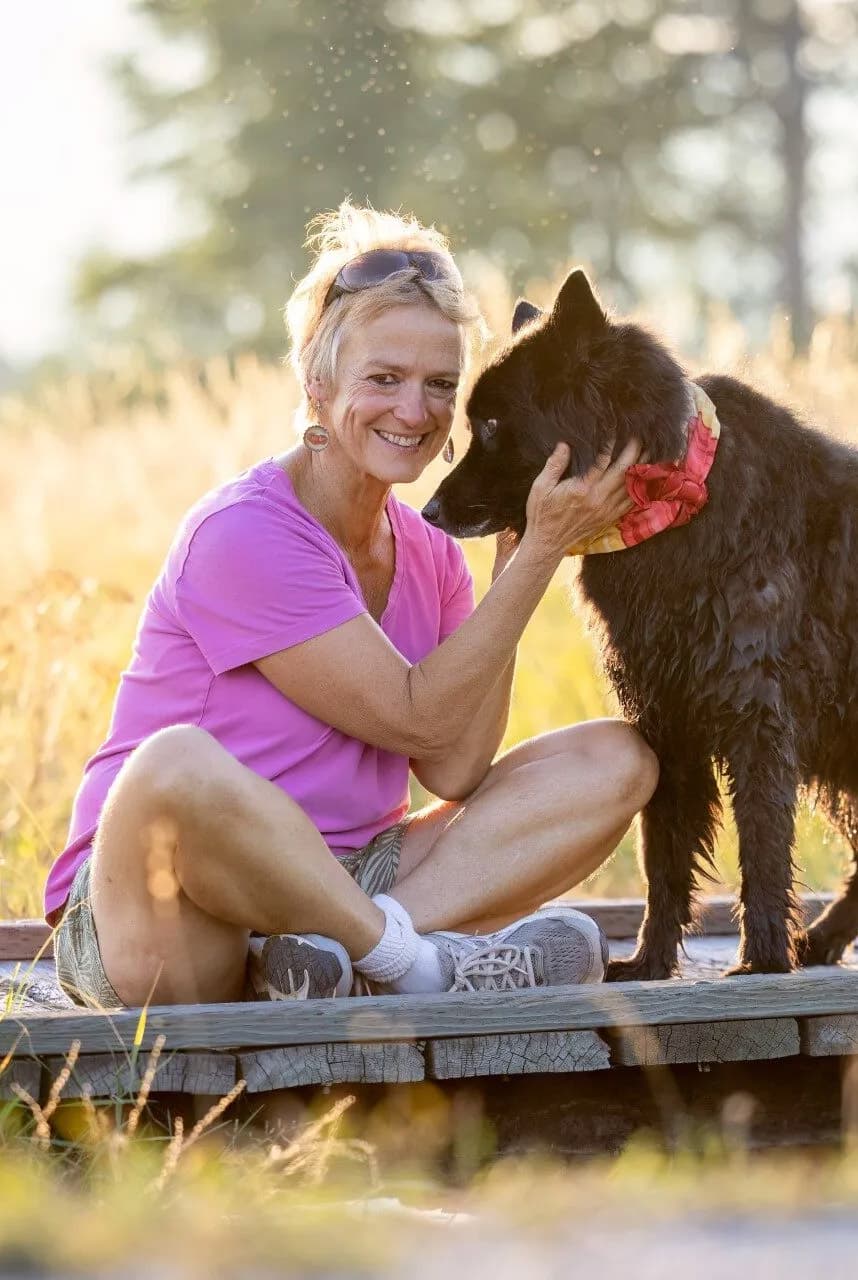
Anja Heister
M.S., Ph.D. · Executive Director
Anja is a lifelong animal-rights activist and a co-founder and executive director of Footloose Montana. For several years she built and taught the organization's free trap-release workshops — teaching the public about trapping regulations and how to free a companion animal from a trap or snare. She believes trapping must end, and that respect, empathy, and compassion for animals are how we get there.
Originally from Germany, Anja has traveled widely — including six months backpacking through East Africa and conservation work with elephants in Kenya. She holds a master's in biology (human genetics and anthropology) from Goethe University in Frankfurt and a PhD from the University of Montana, specializing in wildlife conservation, policy, and animal ethics.
She advises the Weeping Elephant Project, belongs to the All Life Institute's Scholar Network, and is co-authoring a book on veganism and rewilding.
Author
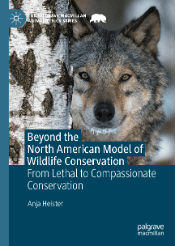
Palgrave Macmillan Animal Ethics Series, 2022
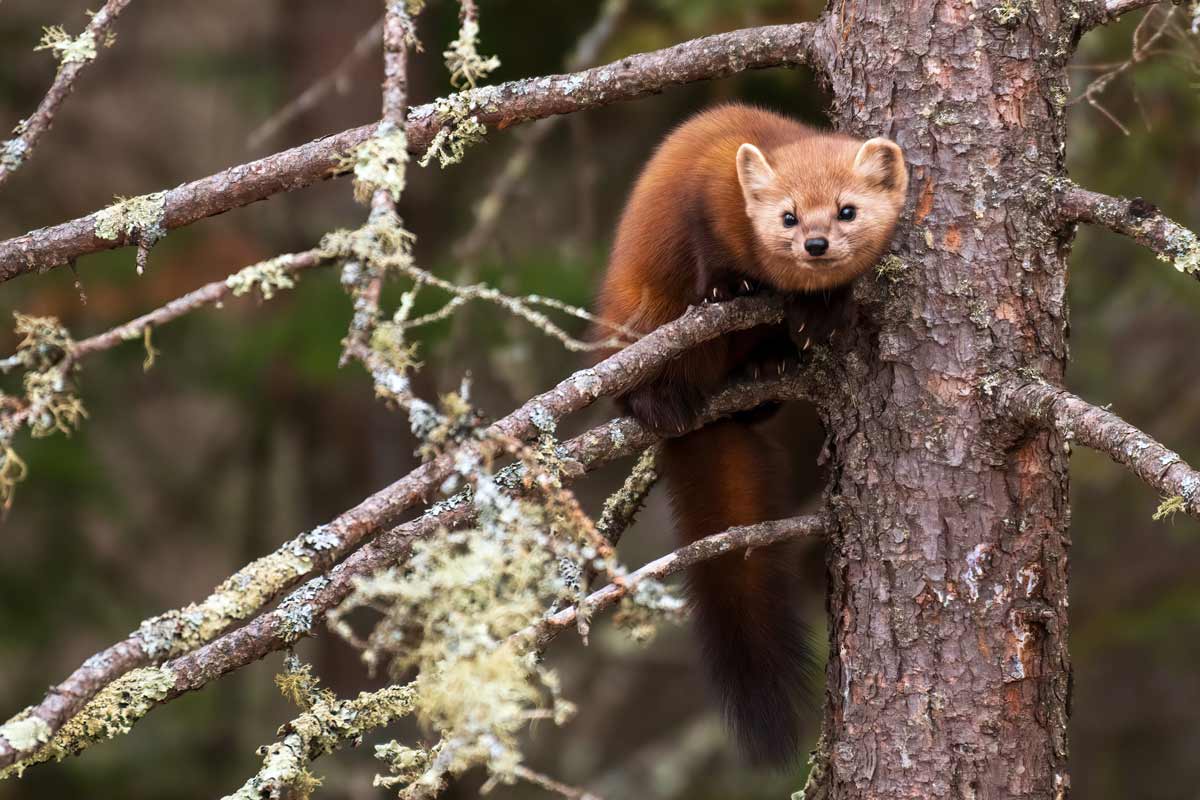
Our founding story.
In 2005, after a pine marten was found in a leghold trap and dogs were killed in traps, a group of outdoor-loving Montanans gathered to ask one question: how do we make public lands safe from traps and snares?
The answer came in 2007, when Cupcake, a young dog, was killed in a trap on an interpretive trail near Missoula (Illegally set trap kills man's dog in his arms). We incorporated Footloose Montana, a 501(c)(3) nonprofit funded out of our own checkbooks, to show Montanans the true scope and cruelty of trapping.
What we learned alarmed us: each trapper may set an unlimited number of traps, and tens of thousands litter our public lands and waterways at any time. Trapping for recreation and commerce maims and kills more than 150,000 animals a year in Montana alone — companion animals, working dogs, and iconic species in steep decline. Lynx, fisher, and wolverine landed on the endangered list; swift foxes and pine marten have been reintroduced only for trappers to kill them again.
Most Montanans don't know trapping still happens on public land — or assume the rules are far stricter than they are.
What guides us.
Science-based
Wildlife management decisions should be grounded in peer-reviewed science, not politics or commercial interest.
Compassionate
Animals have intrinsic value. The suffering caused by trapping is real and morally significant.
Persistent
Two decades of consistent pressure (lawsuits, initiatives, education) has produced measurable change.
Nonpartisan
Montanans across the political spectrum oppose trapping on public lands. We work with everyone who shares that goal.
Our beliefs.
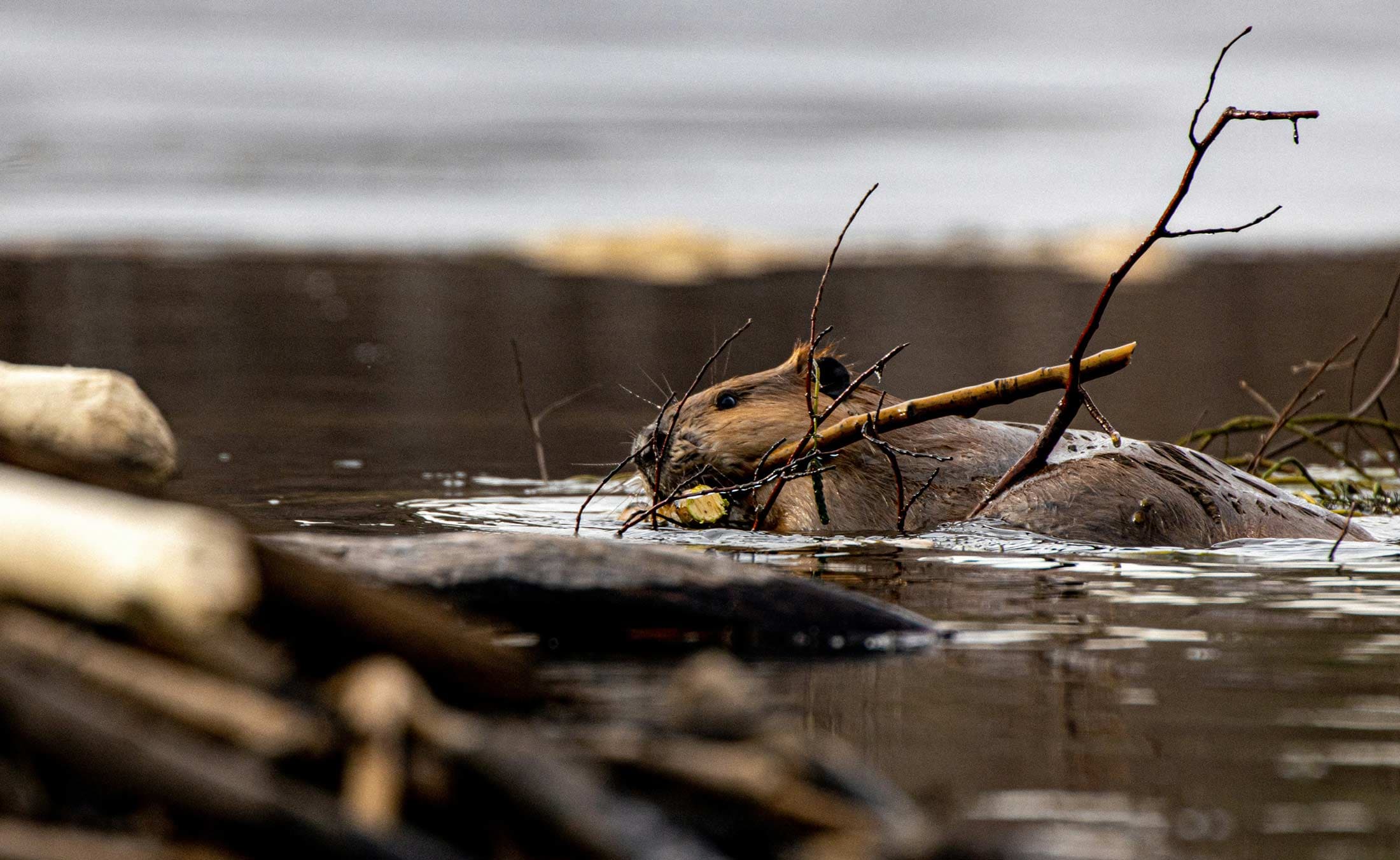
We believe in the intrinsic value of wild animals and their right to live free from human harm. Predators — bears, mountain lions, wolves — are vital to healthy ecosystems. We're true "beaver believers," too: these industrious managers capture water, reverse erosion, and build wetlands that fight species extinction, wildfire, and climate change.
Trapping has no place in 21st-century Montana. Wild animals are intelligent, emotional kin — they suffer, feel pain, and mourn their dead, just as we do. We must end the state-run slaughter of wolves for trophies and the bounty program that sustains it: a backdoor operation run for a special interest.
Science and ethics both point the same way — toward coexistence. Wolves and other carnivores belong in Montana and across the West: not hunted or trapped, but celebrated for the essential work they do managing wild lands and wildlife. We oppose the delisting of grizzly bears from ESA protections and support the relisting of wolves.
We will never stop fighting for wild animals and an end to trapping. Learn more, ask questions, get involved.
Twenty years, milestone by milestone.
Four new TV spots narrated by Peter Coyote run statewide on NBC. State challenge to wolf counting methodology filed.
Federal court wins: wolf trapping banned in Idaho grizzly habitat; court orders review of gray wolf protections. We worked with the city of Bozeman and successfully banned traps and snares in portions of land in Sourdough Canyon owned by the city.
Second major poll: 52% support. Leading concern shifts from personal safety to animal cruelty, proof of twenty years of public education. Wolverines listed as threatened after 20+ years of advocacy.
Newsletter launched: court updates, action alerts, and wildlife news delivered straight to subscribers' inboxes.
Following Betsy's death in a Conibear trap, we strengthened regulations banning traps on all properties within the city of Missoula. Read more →
I-177 reaches the ballot. 186,000 Montanans, one in three voters, cast a ballot for trap-free public lands.
First statewide poll on trapping. 46% of Montanans support ending trapping on public lands. Buddy's Fund established.
I-160 signature drive, the first statewide ballot initiative for trap-free public lands. Missed the ballot by 4,000 signatures.
Footloose Montana founded. First organization to put trapping on the public lands agenda in Montana.
April Christofferson Memorial Scholarship
The annual scholarship of $1,500 is awarded to undergraduate students in good standing pursuing a degree in Environmental Science and Sustainability in the W.A. Franke College of Forestry and Conservation at the University of Montana. The first scholarship was awarded in fall 2025.
Your donation helps fund the next generation of wildlife advocates and conservation professionals. Please consider contributing to this fund in honor of April Christofferson's commitment to wildlife and wild places.
Click the button below and use the search bar to find the April Christofferson Memorial Scholarship.
Donate to the Scholarship
Scholarship Contact
Amber Stanfield
Associate Development Director
W.A. Franke College of Forestry & Conservation, Wildlife Biology Program
University of Montana Foundation
Office: 406-243-2593 · Direct: 406-243-7475
P.O. Box 7159 · Missoula, MT 59807
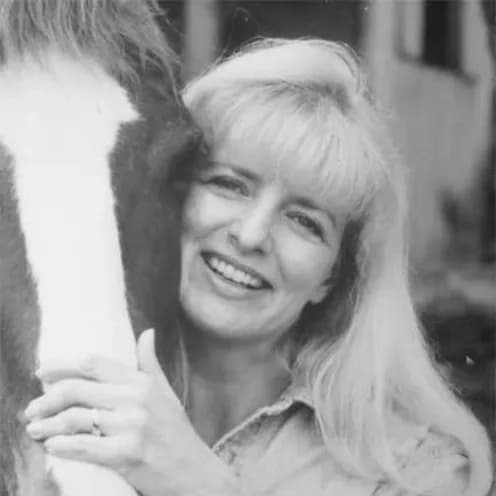 April Christofferson was a founding member of Footloose Montana, lawyer, and award-winning author of eight books, including Trapped, an eco- and political thriller about illegal trapping in Yellowstone and Glacier National Parks, inspired by her work with Footloose Montana. April’s Judge Annie Peacock thriller series, from Buffalo Medicine and Alpha Female (“A smart and sexy new eco-thriller” — Cosmopolitan) to Grizzly Justice, center around the pursuit of nefarious characters in the underworld of wildlife crime in Glacier and Yellowstone National Parks, places she loved and knew intimately. Her fictional stories were inspired by real events; her purpose was to expose the schemes and motives of the killers and educate people about the threats to the nation’s wildlife.
Her background was in biology and veterinary medicine. April served on Governor Bullock’s Half Breed Advisory board to replace derogatory Indian place names in Montana with names that honor the contributions Native Americans have made to the state. In Lolo and Bozeman, April and her husband Steve Leach cared for all kinds of rescue animals, and she adored her family. She was a passionate supporter of animals and social justice.
April died on October 4, 2023, at 72 years old. Her intelligent, creative and love-of-the-wild spirit will live on through the support of students inspired to learn about and work for the environment, wildlife and sustainability.